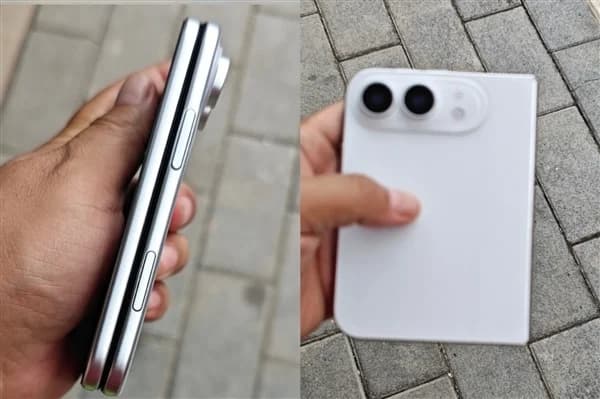
Apple spent years watching Samsung, Google, and Motorola chase the foldable dream while staying completely silent on the category. That silence is ending. The iPhone Ultra is coming this fall, and its full spec sheet has already leaked before Apple could control the narrative.
The design follows a horizontal fold. Close it and you get a 5.5-inch outer display. Open it and a 7.8-inch inner screen unfolds at a 4:3 aspect ratio. Both panels come from Samsung using UTG OLED technology, and the liquid metal hinge reportedly brings the device close to crease-free territory, something earlier foldables from other brands struggled badly with.
Apple is putting the A20 Pro inside this device before anyone else gets it. The chip runs on a 2nm process, pairs with 12GB of RAM, and makes the iPhone Ultra the first product to ship with Apple's next-generation processor. The C2 modem handles connectivity. Battery capacity sits at roughly 5,500mAh, the largest Apple has ever shipped in an iPhone, which matters a lot for a device running two displays simultaneously.
The camera system will divide people. Apple included a 48MP main sensor and a 48MP ultrawide lens with no telephoto. For a flagship-priced device, skipping optical zoom is a deliberate trade-off. The phone measures 4.5mm when unfolded and 9.2mm folded, placing it among the thinnest foldables on the market right now. Fitting a triple-camera stack into that profile without ruining the form factor was likely impossible, so Apple chose the body.
Face ID is gone. A side-mounted fingerprint sensor replaces it, and the volume buttons have moved to the top of the device. The interaction logic of this phone is fundamentally different from every iPhone released since 2017. The shift makes physical sense because Face ID depends on predictable orientation and distance, and a screen that folds, tilts, and operates in semi-folded positions makes that reliability hard to guarantee. iOS 27 code reportedly references hinge angles and fold states directly, suggesting Apple rebuilt the software around this form factor rather than just adapting the existing one.
The iPhone Ultra is not a larger iPhone with a crease in the middle. The removed telephoto, the abandoned Face ID, the first-ever liquid metal hinge from Apple, and the record battery all point to a product Apple has been building as its own category. Whether that vision holds up in daily use is a question for reviews. The leaked specs alone make clear that Apple did not arrive late to foldables by accident. They arrived with a plan.