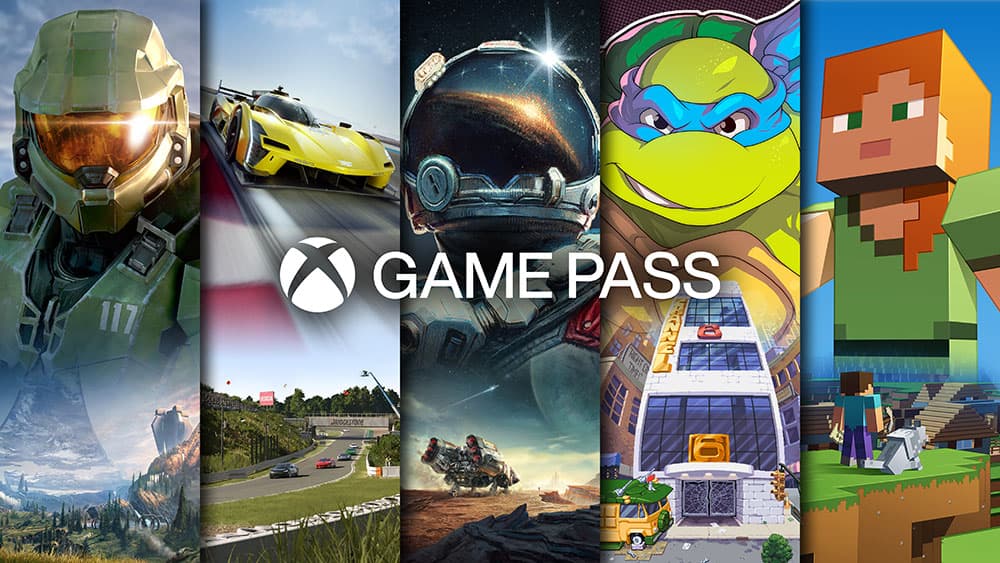
Microsoft spent 2024 doing everything wrong with Xbox. A 50 percent price hike on Game Pass Ultimate, from $20 to $30 a month, triggered one of the most visible subscriber losses in gaming subscription history. Millions of players cancelled or simply did not renew. The service had 34 million subscribers in early 2024 and barely crept to 35 million by June 2025, a number that sounds stable until you account for how much money Microsoft spent trying to grow that base. Xbox's new Chief Strategy Officer confirmed the obvious: the price increase cost them millions of subscribers and the business, despite pulling in nearly $5 billion annually, is still not profitable at scale.
Asha Sharma walked into that situation as the new Xbox CEO and immediately made it clear she was not there to manage the decline quietly. Her first move was cutting the subscription price from $30 back down to $23. It is not a full reversal, and losing day-one Call of Duty access was the trade-off, but the direction of the change sent a message that players had not heard from a major gaming company in years. Prices went down. Fans noticed immediately, and the reaction online was something close to disbelief. People were openly saying they could not remember the last time a gaming subscription got cheaper after a hike rather than worse.
She did not stop there. Sharma gave away free Xbox consoles to fans directly, a move that felt less like a PR stunt and more like someone who understood that the relationship between Xbox and its community had genuinely broken down and needed rebuilding from the ground up. Small gesture on the balance sheet, large signal to the people who had been watching Xbox drift for years.
The rehiring of Xbox veterans was another early call that landed well. Bringing back people who actually built the Xbox brand carries weight with a fanbase that has spent years watching the platform lose its identity. Institutional knowledge matters in gaming, and the people who understood what made Xbox worth caring about in the first place are back in the building.
The rebranding of the Xbox visual identity also happened early in her tenure, another signal that she was not treating this as a maintenance role. And perhaps the most interesting move for a CEO who came from Microsoft's AI division: she removed Copilot from Xbox. Players had been skeptical about AI features being pushed into gaming spaces without a clear reason, and pulling it out rather than doubling down on it showed she was reading the room rather than defaulting to Microsoft's corporate priorities.
On the product side, Microsoft is returning to console exclusivity after abandoning it in 2024. Two games are already confirmed, Gears of War: Incident Day and Clockwork Revolution, as Xbox exclusives. The shift back to exclusivity is still small in scale but the intent is clear. Having games that can only be played on Xbox hardware gives the platform a reason to exist beyond being a cheaper way to play the same games you can get on PlayStation or PC.
The broader problem has not disappeared. Game Pass generating $5 billion a year and still not being truly profitable is a structural issue that price cuts and fan goodwill cannot fix overnight. Expanding the subscriber base to a scale where the economics actually work is a long road, especially after losing momentum during the price hike period.
But the early signs under Sharma are genuinely encouraging in a way that Xbox has not felt for a while. Within days of taking the role she cut prices, gave back to fans, brought in people with real Xbox DNA, refreshed the brand visually, and made a clear statement about what kind of platform Xbox wants to be. For a CEO coming from the AI side of Microsoft, she read the gaming community more accurately than the people who had been running Xbox for years.
Whether this translates into a sustainable turnaround is still to be seen. But for the first time in a while, Xbox fans have a reason to pay attention.